Peppermint Oil for Mice: Does It Work and How to Use It
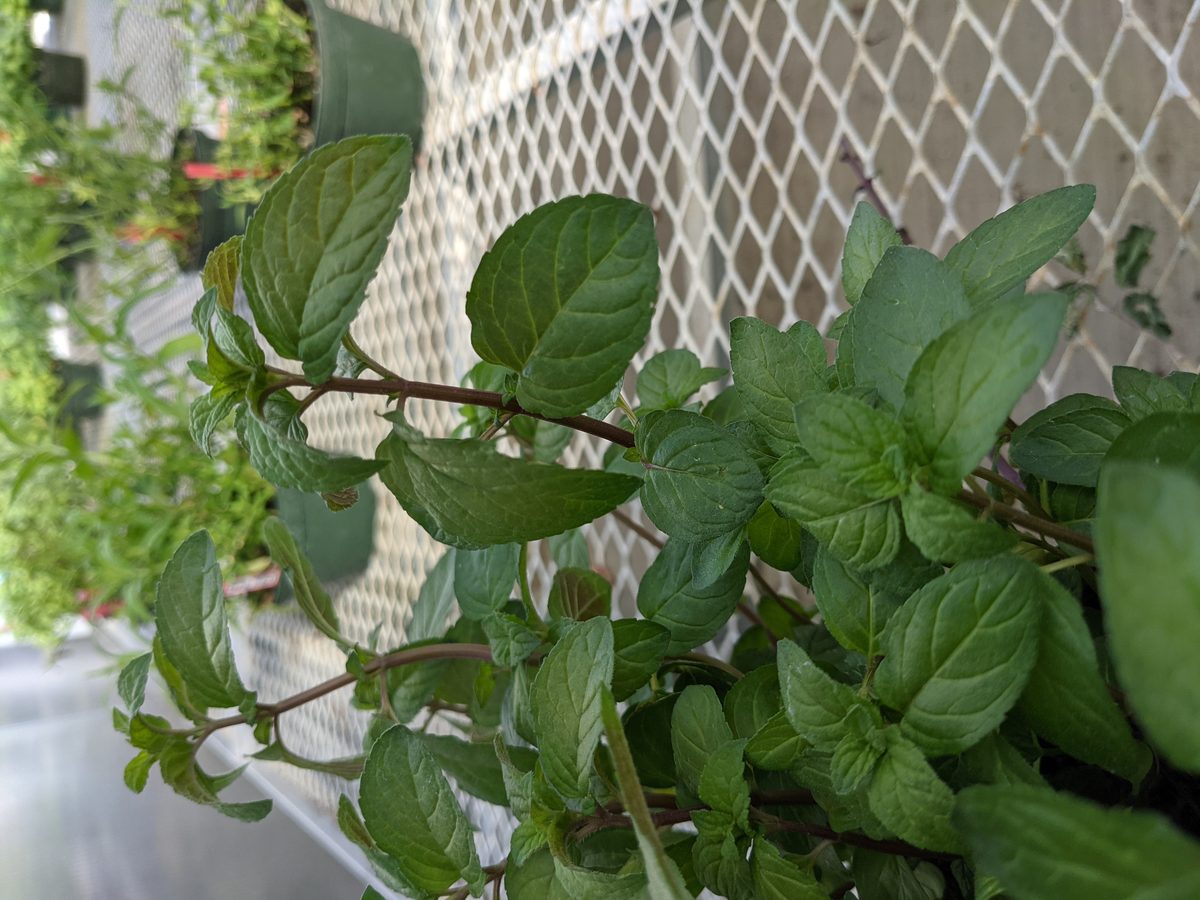
Everyone's aunt has a peppermint oil trick for mice, and every hardware-store forum has someone swearing it's the only thing that ever worked. It's cheap, it smells nice, and it's genuinely non-toxic to the people and pets in your house. So does it actually keep mice away — or is it one of those remedies that works right up until a hungry mouse decides your pantry is worth the smell? The honest answer is somewhere in between, and it depends entirely on how you use it. Here's what peppermint oil really does, where it falls short, and how to get real mileage out of it.
## Why peppermint oil bothers mice at all
Mice navigate the world through their noses far more than their eyes. Their sense of smell is central to how they find food, follow trails, and detect danger, and a strong, sharp scent like peppermint floods that system with noise. The active compound, menthol, is an irritant to a mouse's sensitive nasal passages. In a confined space with a fresh, concentrated dose, it's genuinely unpleasant to them and they'll tend to avoid it.
That's the real mechanism — not magic, not poison, just an overwhelming smell that makes a spot less appealing than the easier options nearby. Which also tells you exactly where peppermint oil breaks down.
## The catch: it's a deterrent, not a wall
Peppermint oil doesn't kill mice, doesn't trap them, and doesn't physically stop them. It nudges them toward the path of least resistance. If your peppermint-scented cabinet is the only way to a reliable food source, a determined mouse will push through the smell — hunger beats discomfort every time. And the deterrent only works while the scent is strong.
That last point is where most people go wrong. Essential oil evaporates fast. A cotton ball soaked in peppermint is pungent on day one and nearly odorless within three or four days. People place a few cotton balls, notice the mice back a week later, and conclude "peppermint doesn't work." What actually happened is the peppermint stopped being there. It was never a one-time fix; it's a chore you have to keep redoing.
## How to actually use peppermint oil (if you go the DIY route)
If you want to give it a fair shot, treat it like the short-lived deterrent it is:
- Use a real, concentrated peppermint essential oil, not a heavily diluted air-freshener spray. Strength is the whole game. - Soak cotton balls generously — 15 to 20 drops each — and tuck them exactly where you've seen droppings or gnaw marks, along walls, and near entry gaps under sinks and behind appliances. - Re-soak or replace them every 3 to 4 days, without fail. The moment the smell fades, the deterrent is gone. - Pair it with the only thing that truly stops mice: sealing entry points with steel wool and caulk. Peppermint buys you time; a sealed hole ends the problem.
Do that consistently and peppermint oil can genuinely help hold a line, especially in a small, enclosed space like a cupboard, a drawer, or a car glovebox where the scent stays concentrated.
## DIY oil vs. ready-made pouches
This is where a lot of people quietly switch over. The chore of re-soaking cotton balls every few days is exactly what makes DIY peppermint fail in practice — it's not that the concept is wrong, it's that nobody keeps up with it for months on end.
Pre-made repellent pouches solve the maintenance problem. The good ones combine peppermint with other botanicals like balsam fir and are engineered to release scent slowly over a much longer window — typically 30 days or so — instead of flashing off in a weekend. You drop one where you'd have placed the cotton balls, and you don't think about it again until the calendar tells you to swap it. No dripping oil, no stained shelf liner, no forgetting. If you want a low-effort version of the same peppermint strategy, the [best rodent repellent pouches](/best-rodent-repellent-pouches/) are essentially DIY peppermint done properly and on a schedule.
Neither approach replaces sealing your home. But between a cotton ball that's dead by Thursday and a pouch that's still working next month, the pouch is what most people can realistically stick with.
## Where peppermint oil works best — and worst
Peppermint shines in small, sealed volumes: drawers, pantries, boxes of stored linens, the cabin of a parked car or RV, a boat you've winterized. The scent stays trapped and concentrated, so it does real work. It struggles in open, drafty, or large spaces — an unsealed garage, a basement, an attic with airflow — where the smell dissipates almost immediately and a mouse can simply route around it.
Match the tool to the space, keep the scent fresh, and seal the gaps, and peppermint oil earns a legitimate place in your rodent-control kit. Expect it to solve an infestation on its own and it'll let you down.
## The bottom line
Peppermint oil works as a genuine short-term deterrent in enclosed spaces, driven by menthol overwhelming a mouse's sensitive nose — but only while the scent is strong, which for DIY cotton balls means re-soaking every few days. If that upkeep is more than you'll actually keep up with, a slow-release pouch delivers the same peppermint strategy without the maintenance. Either way, the permanent fix is always the same: find the holes mice are using and seal them shut.
Ready to stop mice the natural way?
Peppermint-powered pouches that keep rodents out — no traps, no poison, pet-friendly.
Check Today's Price →Frequently asked questions
How often do I need to reapply peppermint oil for it to keep working?
Every 3 to 4 days if you're using soaked cotton balls. Essential oil evaporates quickly, so a cotton ball that's pungent today is nearly odorless within a few days — and once the smell is gone, so is the deterrent. This constant reapplication is the main reason DIY peppermint fails for most people, and why slow-release pouches, which last around 30 days, tend to be more practical.
Does peppermint oil actually kill or get rid of mice?
No. Peppermint oil is a deterrent, not a poison or a trap. It makes a space smell unpleasant enough that mice prefer to go elsewhere, but a hungry mouse with no easier option will push right through it. It works best in small, enclosed spaces and only alongside sealing entry points — it can't clear an active infestation on its own.
Is peppermint oil safe to use around pets and children?
Undiluted essential oils can irritate skin and be harmful if ingested by pets, especially cats, so keep soaked cotton balls out of reach and don't apply oil where animals lick or walk. Placed in sealed cabinets or behind appliances it's generally low-risk, but if you want a hands-off, pet-conscious option, a contained repellent pouch avoids exposed oil altogether.