How to Keep Mice Out of Your Garage for Good
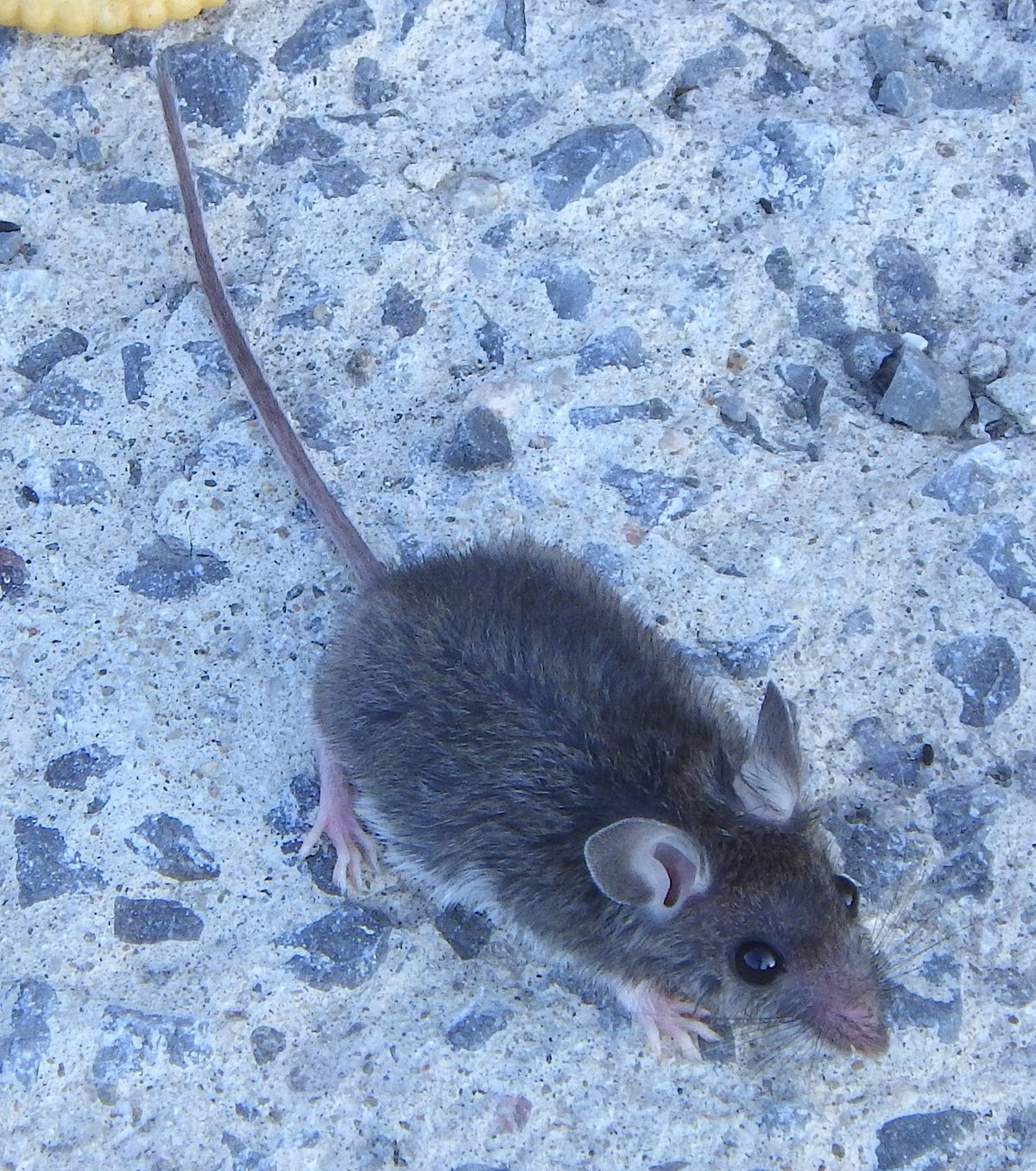
You pull the car in, hit the light, and there it is: a nest of shredded cardboard in the corner of a moving box, droppings along the shelf where the dog food sits, and a chewed corner on a bag of birdseed you forgot about. The garage is the one room in the house nobody heats, nobody cleans much, and everybody uses as overflow storage — which is exactly why it's the first place mice move in. The good news is that a garage is also one of the easiest spaces to defend, because most of what draws mice in is stuff you put there and can move, and most of the ways they get in are big, obvious gaps you can actually see with a flashlight.
## Why the garage is a mouse magnet
A garage gives a mouse the three things it's looking for, all in one place. There's shelter: cluttered shelves, stacked boxes, and the warm engine bay of a car that was just running. There's food: pet kibble, birdseed, grass seed, garbage bins, even the cardboard and paper you're storing. And there's easy access, because garages are built with gaps mice love — the rubber seal under the main door wears out, the walls often aren't finished, and there are penetrations for electrical, water, and the door track that never got sealed.
The other problem is traffic. That big door goes up and down several times a day, and every time it does, it's an open invitation. You can't seal a door you drive through, so garage rodent control is less about making the space airtight and more about making it unrewarding — no food, no nesting material, and a hard perimeter everywhere except the door itself.
## Step 1: Cut off the food
This is the step people skip, and it's the one that matters most. A mouse will tolerate a lot of inconvenience to reach a reliable food source, so as long as the buffet is open, no amount of sealing or repelling fully works.
Move every bag of pet food, birdseed, grass seed, and fertilizer into hard-sided containers with tight lids — galvanized steel cans or heavy plastic totes, not the original paper or plastic bags, which a mouse chews through in a night. Keep trash and recycling in bins that actually close. If you have a second fridge or freezer out there, wipe up spills and check underneath, where crumbs collect. Do this first, before anything else, and you've already removed the main reason mice bother with your garage.
## Step 2: Clear the nesting material and clutter
Mice nest in what you're storing. Cardboard boxes, stacks of newspaper, bags of rags, old cushions, and holiday decorations are all prime real estate. Swap cardboard for sealed plastic bins wherever you can, and get storage up off the floor and a few inches off the wall so there's nowhere dark and undisturbed to hide. A garage where everything is in bins on shelves, with clear floor and open space along the walls, is a garage a mouse can't settle into.
## Step 3: Seal the perimeter
Now go around with a flashlight and look for daylight. The usual suspects are the bottom of the overhead door (replace a worn rubber bottom seal — it's a cheap part), the gaps where the door track meets the wall, the service door threshold, and any hole where a pipe, wire, or conduit passes through. A mouse fits through a quarter-inch gap, so anything you can slide a pencil into needs closing. Stuff copper mesh or steel wool into gaps and cover with caulk or foam; mice can chew through foam alone, so the metal is what actually stops them. Fit a door sweep on the service door and a fresh threshold seal on the main door.
## Step 4: Make what's left unappealing
Once the food is locked up, the clutter is gone, and the obvious gaps are sealed, a scent deterrent covers the space you can't fully close — around the base of the overhead door, on shelves near stored goods, and in the corners mice favor. This is where the [best rodent repellent pouches](/best-rodent-repellent-pouches/) earn their place: peppermint-based pouches give off a strong smell mice avoid, they're pet-friendly, and they don't leave you handling traps or poison in a space where kids and pets come and go. Tuck them where you've seen activity and along the door perimeter, and refresh them every 30 to 60 days as the scent fades. They work best as the finishing layer on a clean, sealed garage — not as a substitute for the first three steps.
## Keep it up seasonally
Mice push indoors hardest in fall as the weather turns, so do a full pass in early autumn: re-check the door seals, top off the pouches, and make sure nothing edible has crept back onto the shelves over summer. A ten-minute check every couple of months keeps a defended garage defended.
Ready to stop mice the natural way?
Peppermint-powered pouches that keep rodents out — no traps, no poison, pet-friendly.
Check Today's Price →Frequently asked questions
What is the best mouse repellent for a garage?
A layered approach beats any single product. Start by locking pet food, birdseed, and grass seed in sealed metal or hard-plastic containers, clear out cardboard and clutter, and seal gaps around the garage door and wall penetrations with copper mesh or steel wool. Then add peppermint-based repellent pouches along the door perimeter and on shelves as the finishing layer, refreshing them every 30 to 60 days. Pouches work well in a garage because the space is enclosed enough to hold the scent, but only after you've removed the food and nesting material that draw mice in.
How are mice getting into my closed garage?
Usually under the main door and through wall penetrations. The rubber bottom seal on an overhead door wears out and leaves a gap, the door track meets the wall with openings on each side, and holes for pipes, wires, and conduit are rarely sealed. A mouse only needs a quarter-inch gap. Go around with a flashlight looking for daylight, replace the door's bottom seal, and stuff copper mesh into every gap before caulking or foaming over it.
Will mice in the garage get into my house?
Often, yes. The wall between an attached garage and the house has its own gaps — around outlets, the door threshold, and plumbing runs — so a mouse that settles in the garage can work its way inside. That's why it's worth defending the garage even if you haven't seen mice in the living space yet: seal the garage-to-house door with a sweep, close interior wall penetrations, and treat the garage as the first line rather than a lost cause.