How to Mouse-Proof a Cabin You Only Visit Sometimes
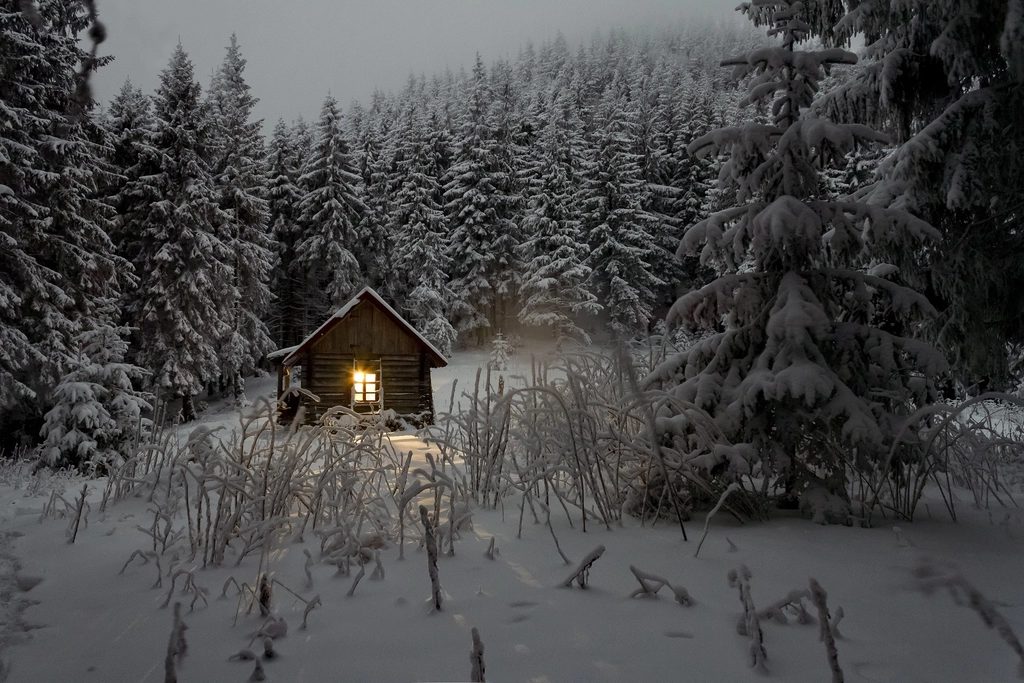
A cabin you only get to a few times a year is a mouse's dream: quiet, undisturbed, often tucked against a wood line or field, and empty for weeks at a stretch. You lock up in October, picture the place sitting peacefully under snow, and open the door in spring to droppings on the counter, a chewed-through box of pasta, and that unmistakable musty smell. The problem with a part-time cabin isn't that mice are especially clever there — it's that nobody's around to notice the first one and shut the door behind it. Here's how to mouse-proof a place you're not there to babysit.
## Why empty cabins get hit the hardest
Mice move indoors when the weather turns and food gets scarce, and a sealed-up cabin is the perfect winter shelter: warm-ish, dry, predator-free, and completely unmonitored. In an occupied house, you spot droppings within a day or two and react. In a cabin, a single mouse that squeezes in during October has all winter to breed, nest in your insulation, and chew through wiring and stored food before anyone shows up.
That changes the whole strategy. At home you can rely on catching problems early. At a cabin you have to assume you'll get zero warnings, which means the work happens *before* you leave, not after you find damage.
## Seal the building first — this is 80% of the job
Repellents and traps matter, but they're second to exclusion. A mouse only needs a gap about the width of a pencil (roughly a quarter inch) to get through. Before you close up for the season, walk the whole exterior slowly and look for:
- Gaps where pipes, wires, and cables pass through walls - Space under and around exterior doors — add sweeps if you can see daylight - Foundation cracks, gaps in skirting, and vents without screens - Spots where the roofline, soffits, or chimney flashing don't quite meet
Stuff larger gaps with copper mesh or steel wool (mice can't chew through it the way they shred foam or caulk), then seal over it. For a seasonal cabin, pay special attention to the foundation and any crawlspace access — that's the usual entry point when a place sits on piers or a slab in the woods.
## Remove the reasons to stay
Even a well-sealed cabin should give a mouse nothing to work with, because sealing is never perfect:
- **Take all food home or store it in metal or thick glass.** Cardboard, bags, and thin plastic are not barriers. That includes pet food, birdseed, and pantry staples. - **Strip the beds and store soft goods in sealed bins.** Mice nest in mattresses, cushions, and linen closets. Plastic totes with tight lids protect bedding and towels over the winter. - **Empty trash and clean crumbs before you lock up.** A single greasy pan left in the sink is an invitation. - **Move woodpiles, brush, and stored gear away from the walls.** Anything stacked against the cabin is a staircase and a hiding spot.
## Use scent-based deterrents where you can't seal
For a place you can't monitor, low-maintenance deterrents earn their keep in the gaps you couldn't fully close — under sinks, in cabinets, in drawers, closets, and storage bins. This is exactly where the [best rodent repellent pouches](/best-rodent-repellent-pouches/) fit: peppermint-based pouches you tuck into enclosed spaces and leave alone. They're pet-friendly, don't leak like soaked cotton balls, and hold their scent far longer, which matters when nobody's there to refresh them for months. They won't overcome a wide-open entry point — nothing scent-based will — but in a sealed, food-free cabin they tip the odds by making the few remaining nooks unappealing.
Place them in enclosed areas rather than open rooms, where the scent concentrates instead of dissipating. Swap them out at the start of each visit so the protection resets for the next long stretch away.
## Leave a few traps as an early-warning system
Set a handful of simple snap traps in likely runways — along walls, behind appliances, near the entry points you were most worried about. In a seasonal cabin these do double duty: they catch the occasional mouse that slips past, and when you arrive, a sprung trap tells you exactly where your weak spot is so you can seal it before next winter. Skip poison baits in a cabin; a mouse can crawl off and die inside a wall, leaving a smell you'll be chasing all season.
## Make it a closing-up routine
The cabins that stay mouse-free are the ones where exclusion, food removal, deterrents, and traps happen every single time the place gets shut up — not as a one-off. Build a short checklist into your end-of-visit routine and the whole thing takes twenty minutes. That's a lot cheaper than replacing chewed wiring or an insulation nest come spring.
Ready to stop mice the natural way?
Peppermint-powered pouches that keep rodents out — no traps, no poison, pet-friendly.
Check Today's Price →Frequently asked questions
How do I keep mice out of a cabin over the winter when nobody's there?
Seal every gap a pencil could fit through with copper mesh or steel wool, remove all food and soft nesting material, place long-lasting scent pouches in enclosed spaces like cabinets and bins, and set a few snap traps as an early-warning system. The sealing matters most — a cabin sits empty for months, so you can't rely on catching the first mouse.
Do mouse repellent pouches work in an unheated cabin?
They help, but only as part of a sealed, food-free setup. Peppermint pouches make the remaining nooks unappealing and last far longer than DIY cotton balls, which is ideal when you can't reapply for months. They won't stop mice from entering through an open gap, so exclusion always comes first.
Should I use poison bait in a cabin I visit rarely?
It's usually a bad idea. A poisoned mouse often dies inside a wall or under the floor, and with nobody around for weeks the smell can linger the entire season. Snap traps are cleaner, reusable, and double as a signal showing you where mice are getting in.