Protecting Stored Food and Pantries from Mice
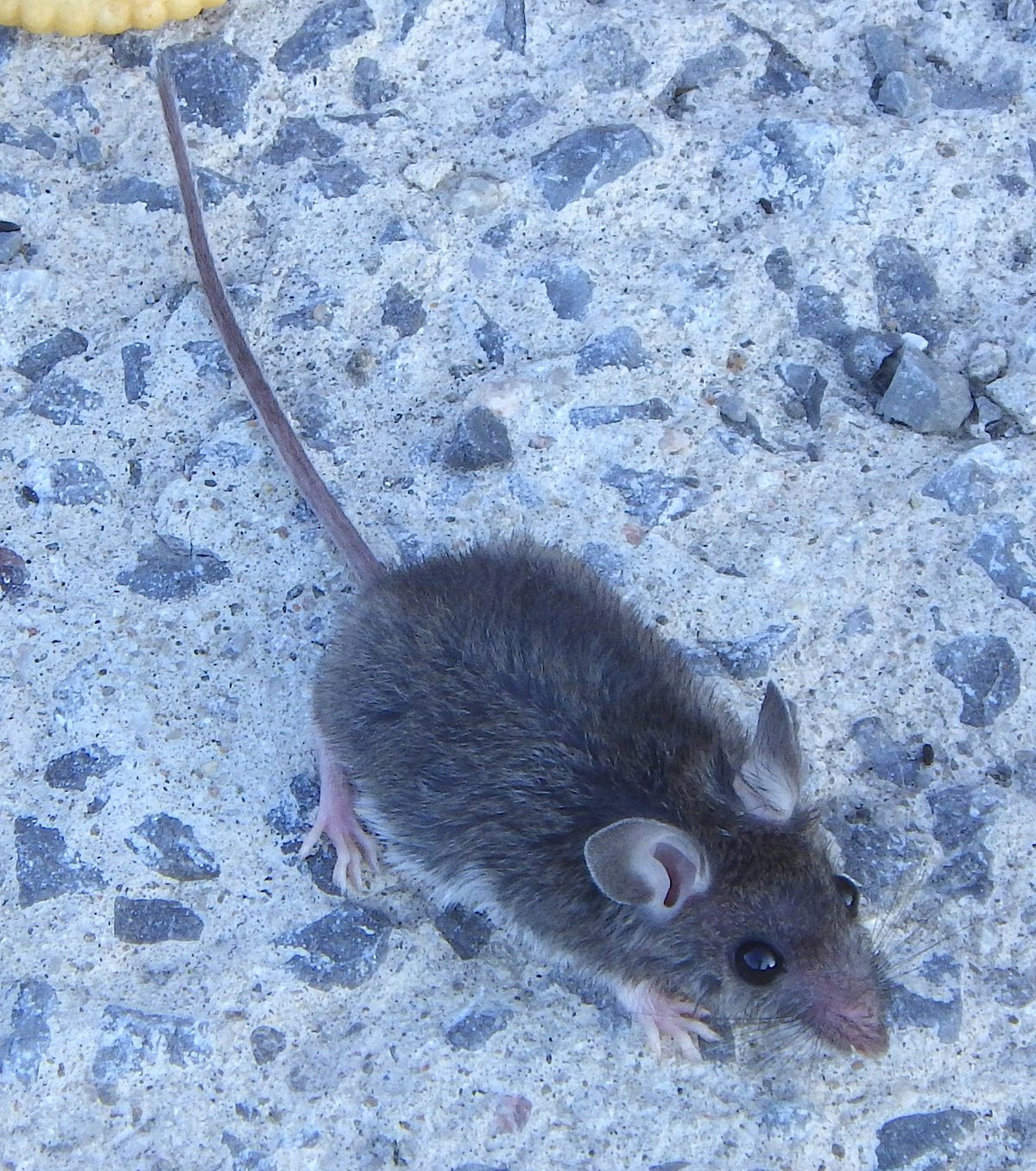
You open the pantry to grab a bag of flour and there it is: a corner gnawed open, a scatter of tiny black droppings on the shelf, and a papery bag of rice with a hole chewed clean through. Once mice find your food, they don't visit — they move in. And a single mouse can contaminate far more than it eats, leaving urine and droppings across every surface it touches. The frustrating part is that most people don't have a mouse problem so much as a *storage* problem: the food is sitting out in exactly the packaging rodents were born to defeat.
The good news is that keeping mice out of stored food is one of the most solvable rodent challenges there is. You control the containers, you control the shelves, and you can make a pantry genuinely unappealing without traps, poison, or a single dead mouse to deal with. Here's how to do it properly.
## Start with the packaging, because that's the real problem
Cardboard, paper, and thin plastic are not storage — to a mouse they're wrapping paper. Rodents chew through bags of rice, boxes of cereal, pasta, pet food, and flour without effort, and they're drawn to the smell of the food inside. The single highest-impact change you can make is moving dry staples into hard, gnaw-proof containers.
Glass jars with sealing lids, thick food-grade plastic bins (the rigid kind, not a zip bag), and metal tins all work. For bulk goods, airtight buckets with gasketed lids are the homesteader standard. Two things matter: the walls have to be too hard or too slick for teeth to get purchase, and the lid has to actually seal so the food's scent doesn't advertise itself. A mouse that can't smell dinner has far less reason to keep prospecting your shelves.
Prioritize the high-risk items first — anything grain-based, sugary, or oily. Rice, flour, oats, cornmeal, pet kibble, birdseed, and baking supplies are the classic targets. Nuts and dried fruit too.
## Seal the room, not just the jars
Containers stop mice from eating your food, but they don't stop mice from living in your pantry and fouling everything else. For that, you have to close the door they came in through.
Mice can squeeze through a gap the width of a pencil — about a quarter inch. Walk your pantry, kitchen, and cellar with a flashlight and look low: gaps around pipes under the sink, the space where a dryer vent or water line enters the wall, worn thresholds under doors, and holes behind or beneath cabinets. Stuff each gap with copper mesh or steel wool (they can't chew metal) and seal over it with caulk or expanding foam. This one pass does more than any repellent, because it removes the entrance instead of just discouraging its use.
## Keep the space clean and uninviting
Rodents follow food residue. A few habits keep a sealed pantry from backsliding: wipe up spilled grains and crumbs promptly, don't leave pet bowls full overnight, take kitchen trash out regularly, and store fruit and vegetables off the floor. Give the shelves a periodic wipe-down — the goal is a space with no free calories and no scent trail leading to them.
## Add a scent barrier as your maintenance layer
Once the food is sealed and the gaps are closed, a repellent is what keeps the space actively unwelcoming between deep cleans. Mice navigate almost entirely by smell, and strong peppermint overwhelms the scent cues they rely on to feel safe exploring. Tucking a repellent sachet into each pantry corner, near the base of the shelving, and by any pipe penetration makes the whole area read as "occupied" to a rodent's nose.
This is where the [best rodent repellent pouches](/best-rodent-repellent-pouches/) earn their place: they're pet-friendly, leave no residue near food, and simply need swapping every 30 to 60 days as the oils fade. Think of them as the layer that maintains the work the containers and sealing already did — not a replacement for either.
## Don't forget the root cellar and long-storage areas
If you store potatoes, onions, squash, or home-canned goods in a cellar or garage, apply the same three moves: hard containers or covered bins for anything a rodent would eat, mesh-and-caulk on every gap, and a refreshed scent barrier in the corners. Check these low-traffic areas on a schedule — a spot you visit twice a season is exactly where a small problem becomes a large one unnoticed.
## The bottom line
Keeping mice out of stored food comes down to a simple order of operations: move food into gnaw-proof containers, seal the pencil-width gaps that let rodents in, keep the space clean, then maintain a peppermint scent barrier on top. Do the first two and you've solved most of the problem permanently. Add the last two and your pantry stays a place mice give up on.
Ready to stop mice the natural way?
Peppermint-powered pouches that keep rodents out — no traps, no poison, pet-friendly.
Check Today's Price →Frequently asked questions
What kind of container actually keeps mice out of food?
Hard, sealing containers — glass jars with tight lids, rigid food-grade plastic bins, metal tins, or gasketed buckets. The walls need to be too hard or slick for teeth to grip, and the lid needs to seal so the food's scent doesn't leak out. Zip bags and cardboard don't count; mice chew straight through them.
Will peppermint pouches stop mice from getting into my pantry?
Peppermint pouches work best as a maintenance layer, not a standalone fix. They mask the food scents mice rely on and make a space feel occupied, which discourages exploring. But they can't compensate for open bags of food or a pencil-width gap in the wall — seal the food and the gaps first, then use pouches to keep the space unwelcoming, refreshing them every 30 to 60 days.
How do I know if mice are already in my stored food?
Look for small dark droppings on shelves, gnaw marks or holes in bags and boxes, shredded paper or nesting material tucked behind items, and a faint ammonia smell from urine. Any of these means you should discard contaminated food, clean and disinfect the shelves, then reseal everything in hard containers before restocking.