How to Get Rid of Mice in Your Walls — and Keep Them Out
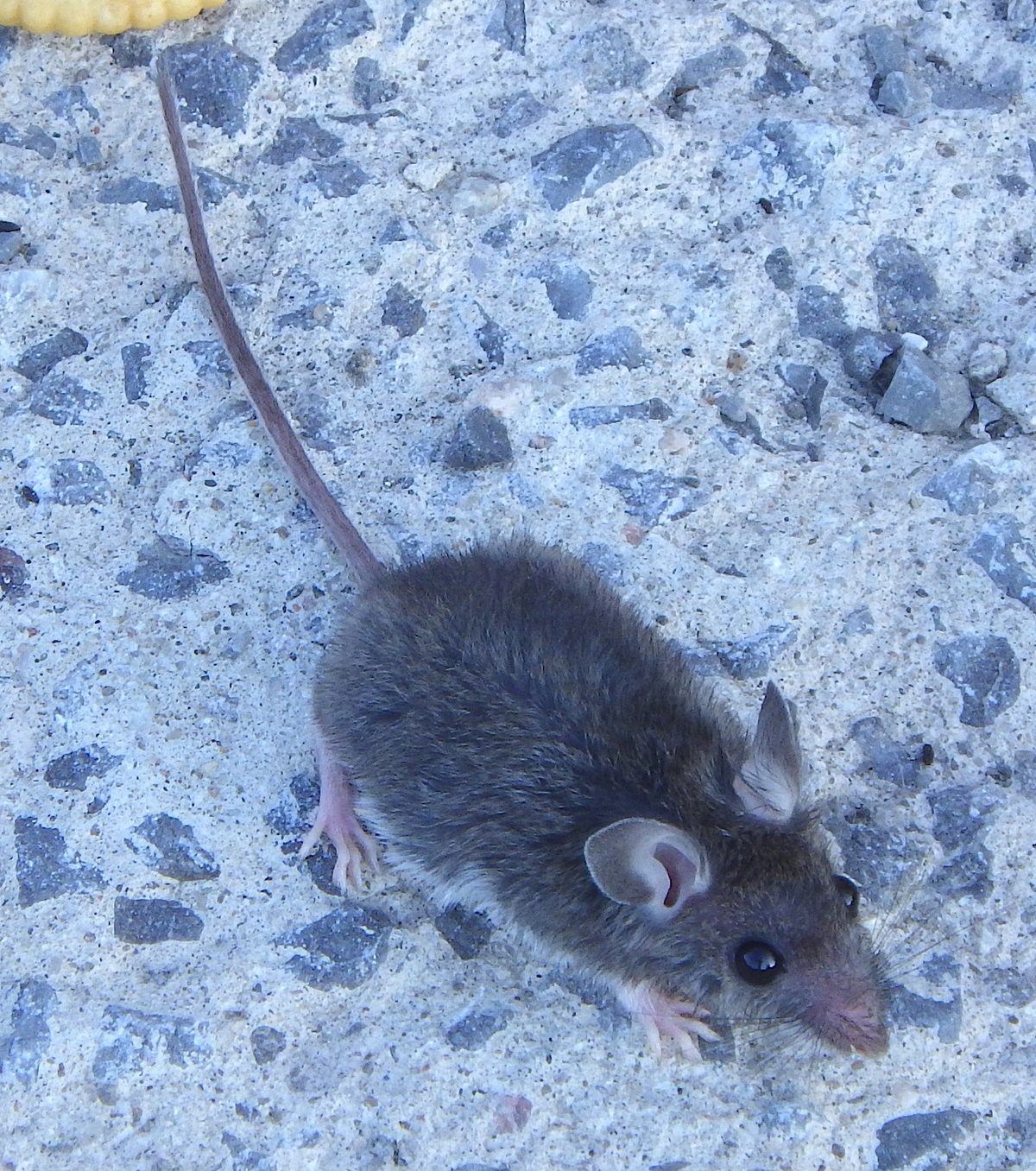
That scratching in the wall at 2 a.m. is one of the more unsettling sounds a homeowner can hear. You can't see the mouse, you can't reach it, and every night it sounds like it's chewing its way toward you. The frustrating truth is that you can't really "get" a mouse that's inside a wall cavity — but you don't have to. The goal isn't to fish it out of the drywall; it's to make the wall a dead end, force the mouse out to where you can deal with it, and seal the wall so nothing moves back in. Here's how to do that in the right order.
## Why they're in the wall in the first place
Wall cavities are a mouse's ideal home: warm, dark, hidden from predators, and laced with insulation that's easy to nest in. They travel through them using the same routes your house was built with — the gaps around plumbing stacks, wiring runs, and the hollow spaces between studs. A mouse in the wall almost always got there from somewhere accessible: a gap under the kitchen sink, a hole where a gas line enters, an unsealed spot in the basement rim joist, or a torn soffit vent up high.
That's the key insight. The mouse in your wall is connected to the rest of your house through openings you can find. Close the wrong one at the wrong time and you trap it inside to die (more on that below). Close them in the right order and you evict it for good.
## Step one: find the sound, then find the entry point
Spend a night or two pinning down where the scratching is loudest — which wall, roughly what height. Mice are most active just after dark and before dawn, so that's when to listen. Once you've located the active wall, inspect the nearest points where it connects to the outside or to another cavity: under-sink openings, behind the stove or fridge, the basement or crawlspace directly below, and the attic directly above.
You're looking for gaps a pencil can fit into — mice squeeze through about a quarter inch. Look for the tells: dark greasy smudges along baseboards, small dark droppings, and a faint musky ammonia smell near a nesting spot.
## Step two: don't seal the wall shut yet — bait the exit
This is the step people get wrong. If you caulk every hole while a live mouse is inside the cavity, it can die in there, and a mouse decomposing behind drywall smells genuinely awful for one to three weeks with no way to remove it short of cutting the wall open.
Instead, leave the interior opening the mouse is using — the gap under the sink, say — open for now, and set snap traps right at that opening, on the mouse's runway against the wall. Bait with a smear of peanut butter. Snap traps placed on an active runway are the fastest humane way to remove a mouse that's already inside; they beat glue boards and poison, and unlike poison they don't send a dying mouse back into the wall to rot. Give it two or three nights. When the scratching stops and the traps stop catching, the cavity is empty.
## Step three: seal the cavity for good
Now close it. Stuff every gap you found with steel wool or copper mesh — mice can't chew through metal — and lock it in place with caulk or expanding foam. Work from the outside in: exterior gaps first so nothing new gets in, then the interior openings. Pay special attention to where pipes and wires pass through walls, the corners of garage doors, dryer and soffit vents, and the foundation line.
Once the wall is sealed, add a scent deterrent at the interior openings you just closed, as insurance against the next mouse testing the same route. Concentrated peppermint works in the small, enclosed spaces mice travel — inside the sink cabinet, along the runway they were using. Refreshable pouches are the low-effort version of this: the [best rodent repellent pouches](/best-rodent-repellent-pouches/) tuck into cabinets and wall voids and keep the scent going for weeks, so a sealed wall stays uninteresting to the next rodent that comes sniffing.
## Step four: cut off the food and the reason to return
A sealed wall with peppermint at the door still isn't enough if the kitchen is a buffet. Store dry food, pet food, and birdseed in metal or glass with tight lids, wipe up crumbs, take the trash out nightly, and clear clutter along walls where mice like to travel unseen. A house with no food and no easy entry is a house mice leave.
## When to call a pro
If the scratching is widespread across multiple walls, you're finding droppings in several rooms, or you hear activity in the attic and the walls at once, you likely have an established population rather than a lone wanderer. At that point a pest-control inspection is worth it — they'll find entry points you can't reach and can confirm whether it's mice, rats, or something larger like squirrels, which need a different approach entirely.
Ready to stop mice the natural way?
Peppermint-powered pouches that keep rodents out — no traps, no poison, pet-friendly.
Check Today's Price →Frequently asked questions
How do I get a mouse out of my wall without cutting it open?
You don't pull it out — you draw it out. Find the interior gap the mouse is using (often under a sink or behind an appliance), leave that opening accessible, and set snap traps baited with peanut butter right on its runway against the wall. Once you've caught it and the scratching stops, seal the gap with steel wool and caulk so nothing moves back in.
Will a mouse eventually leave the wall on its own?
It may come out to forage for food and water, but it won't abandon a warm, safe nesting cavity as long as the house still offers food. Rather than wait, bait its exit with traps while the wall is still open, remove it, then seal the cavity. Don't seal a live mouse inside — it can die in the wall and smell for weeks.
Does peppermint oil stop mice in walls?
Peppermint works only where the scent stays concentrated, so it won't clear a mouse from deep inside a large wall cavity. It's most useful after you've trapped the mouse and sealed the openings: a strong peppermint source or a refreshable pouch at the interior gap makes that route unappealing to the next rodent.